
When we examined men and women separately, Impulse Control Difficulties remained significant only for men. Men with higher PTSD symptoms may have a higher level of impulsivity that leads to reckless behaviors such as risky alcohol use. Drinking to cope with negative affect may explain elevated alcohol use in ptsd alcohol blackout individuals experiencing distress (Khantzian, 1997). Those with PTSD may use alcohol to dampen traumatic memories or “escape” from symptoms of PTSD (Brady, Back, & Coffey, 2004). Specifically within college students, individuals drank more on days characterized by higher anxiety, and students were more likely to drink to cope on days when they experienced sadness. Further, drinking to cope has been shown to moderate the relationship between anxiety and alcohol consumption (O’Hara, Armell, & Tennen, 2014).
Robin Recovery Cleveland, OH
Treatment options may include detoxification, counseling, and support groups. Alcohol addiction treatment addresses both the physical and psychological aspects of alcohol misuse. Excessive alcohol consumption impacts the hippocampus, leading to long-term memory impairment and cognitive decline. Alcohol impairs neural communication, which can affect overall brain function and mental health. The alcohol content and the rate at which it is consumed play significant roles in the likelihood of experiencing a blackout. Consuming alcoholic beverages with higher alcohol content, such as spirits or liquors, increases the risk of blackouts.
Mental Health
In this factsheet, we will take a sober look at this common but deeply concerning consequence of alcohol misuse. A critical aspect of Alcohol Usage Disorders often overlooked is its strong connection with PTSD, a condition triggered by traumatic experiences. Trauma survivors often wrestle with a relentless barrage of distressing symptoms.
Chiari Malformation and Mental Illness: Exploring the Potential Connection
Additionally, alcohol alters neurotransmitter levels, leading to imbalances that affect mood, behavior, and cognitive function. When blood alcohol levels rise rapidly, the risk of significant memory loss increases. This can lead to dangerous situations where individuals may engage in risky behaviors without recollection. When it comes to addressing the dangers of blackout drinking, it’s essential to seek help and support. Recognizing the problem, exploring treatment and recovery options, and implementing prevention and harm reduction strategies are crucial steps in overcoming the harmful effects of blackout drinking.
Q: What’s the rating for PTSD with alcohol abuse?

Next on our list is sleep deprivation, the silent saboteur of cognitive function. When you skimp on shut-eye, your brain doesn’t get the chance to properly file away the day’s experiences. It’s like trying to organize a messy closet in the dark – things are bound to get misplaced or forgotten entirely.
- While there are plenty of traditional cocaine rehabs in Florida, it can be hard to find treatment centers that fit your needs.
- Recovery is a journey that requires dedication and effort but taking steps towards recovery can lead to a healthier and safer lifestyle.
- Individuals with PTSD were more likely to report mood disorders, anxiety disorders, SUD, and suicidal behavior than respondents without PTSD.
- This could range from anti-anxiety medications to drugs that target specific neurological conditions.
- This method uses open-ended questions, reflective listening, and affirmation to promote a supportive and respectful dialogue between the client and therapist.
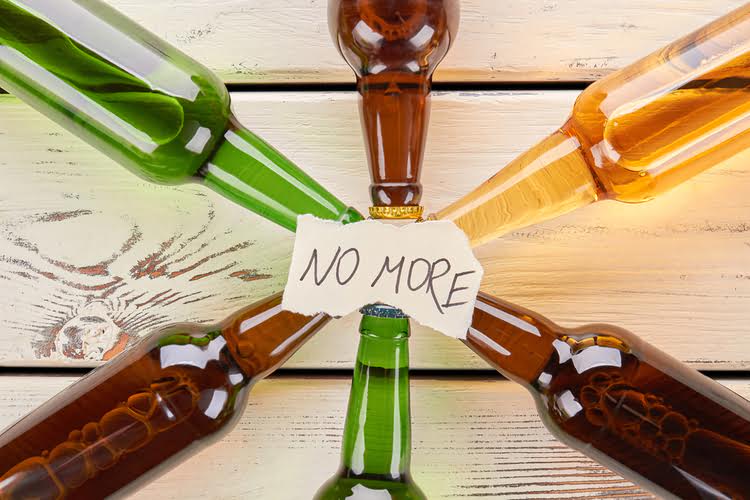
- Drinking large amounts of alcohol quickly raises blood alcohol concentration, increasing the likelihood of a blackout.
It’s the brain’s way of protecting itself, but it can leave us with puzzling gaps in our personal narratives. Share this article with someone who might need help, or contact our team today at contact information. Your path to recovery starts with understanding, and we’re here to guide you every step of the way. This can confuse and lead to dangerous behaviors as people may not fully understand their actions afterward.
AUD and PTSD Symptom Clusters
During a fugue state, an individual may lose awareness of their identity and personal history, sometimes even assuming a new identity temporarily. These episodes can last for hours, days, drug addiction treatment or even longer, and are often accompanied by unplanned travel or wandering. Recent estimates suggest that 595,000 veterans misuse opioids of some form, with the vast majority struggling with prescription painkillers.

Leave A Comment